Listening Before Building: What Farmers and Traders in Tarkwa Taught Us
Two visits to a Tarkwa market revealed the risks farmers carry and helped shape Kuapa Dwaso's community-warehouse model, verified inventory, and scheduled delivery approach.
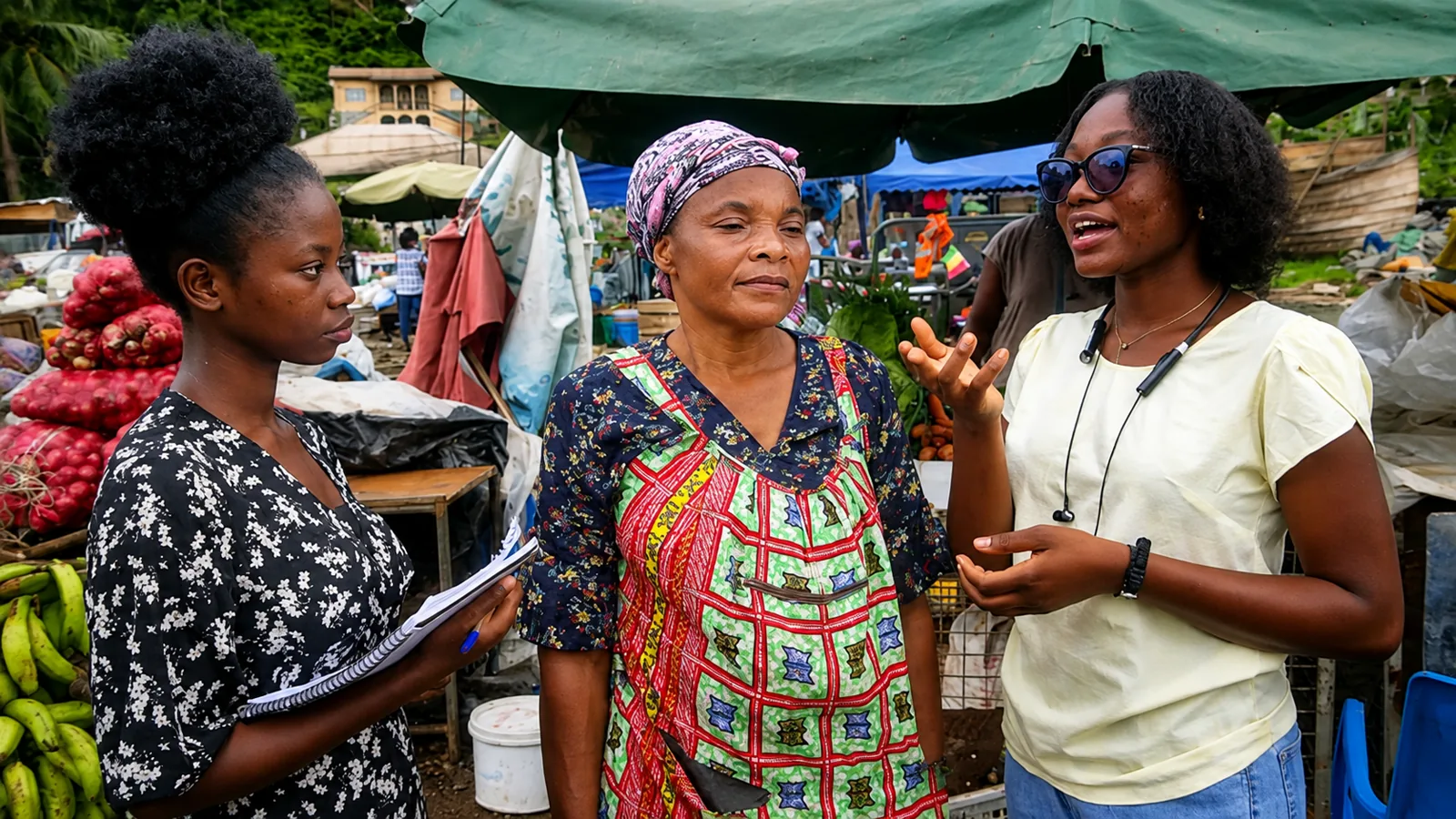
Kuapa Dwaso means Farmer's Market in Akan. The idea behind it is simple: farmers should be able to find reliable buyers, and buyers should be able to count on dependable produce.
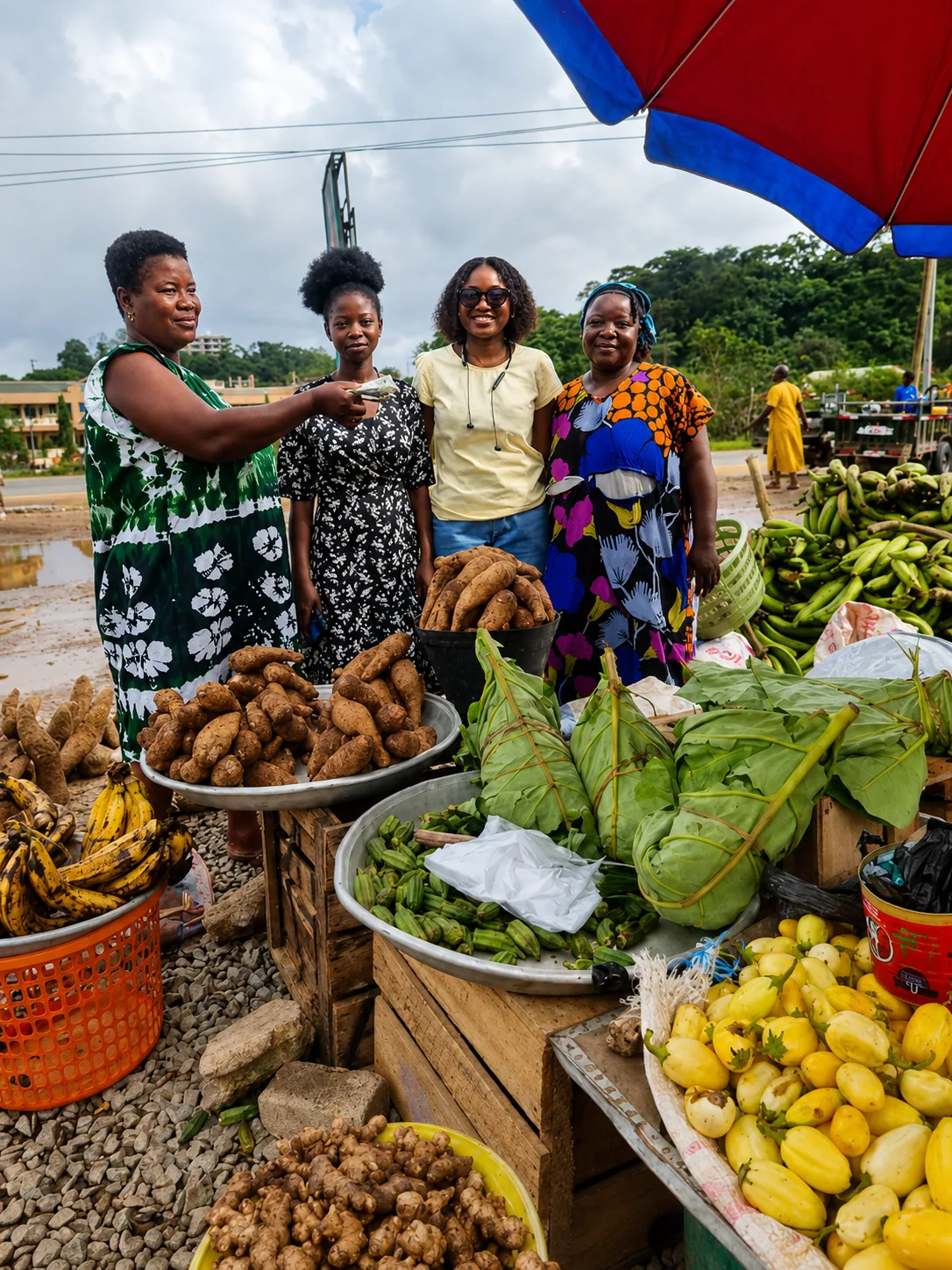
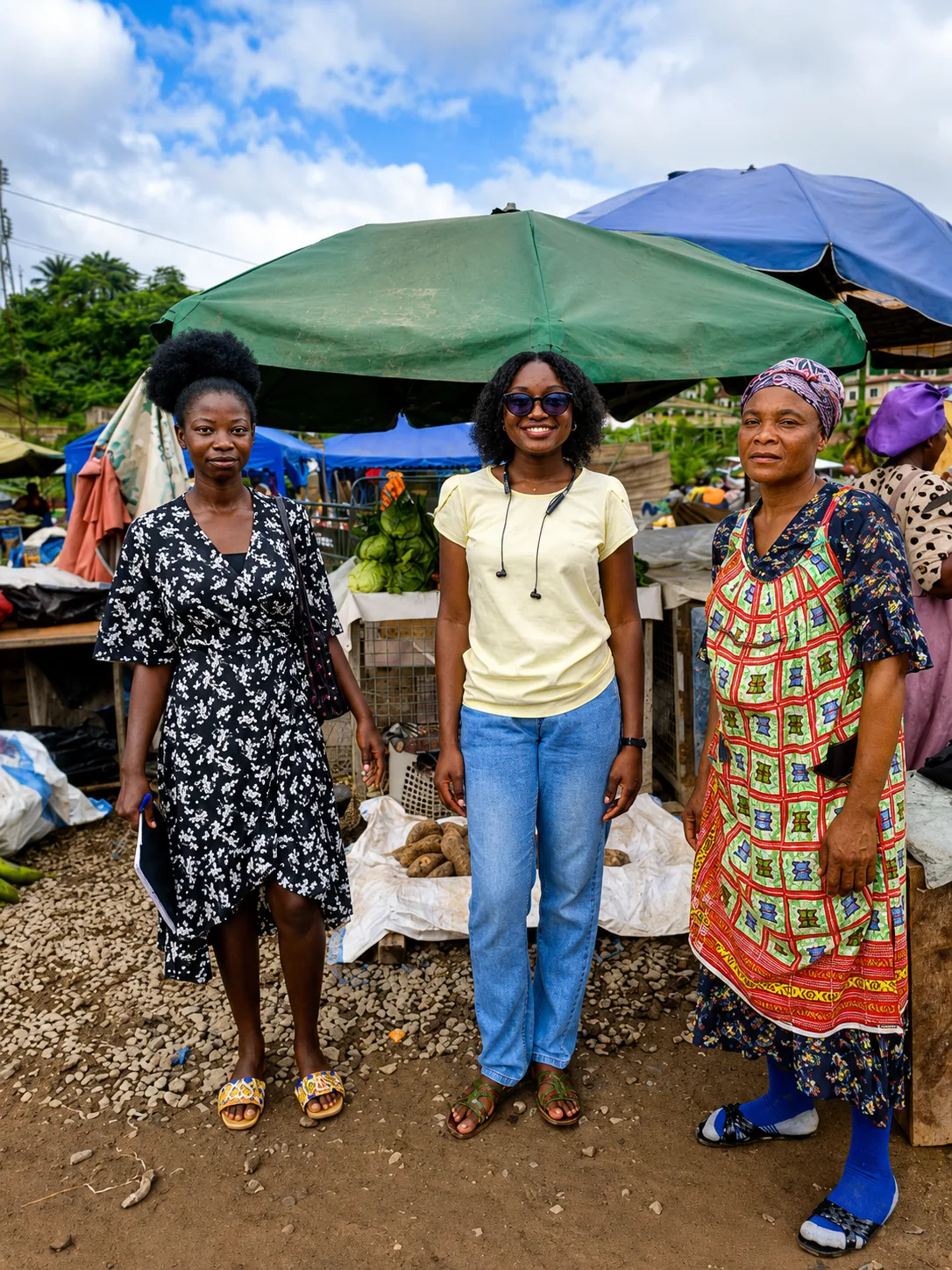
But a simple idea is not the same as a correct one. Before shaping the platform, we wanted to hear from the people who live this problem every day. In July 2026, Kuapa Dwaso team members Catherine Bruce Vuochere and Hannah Nankon Gyekyiwaa travelled to Tarkwa in Ghana's Western Region and visited the market near the University of Mines and Technology twice.
On Wednesday, 1 July, they spent time with traders, asking how they source produce, what frustrates them, and what happens to food before it reaches their stalls. On Friday, 3 July, one of Tarkwa's market days, they returned to meet farmers who had travelled in to sell their harvest.
Those two days changed how we think about the problem we are solving.
The long road to market
The first thing traders wanted to talk about was transport. Produce rarely travels straight from a farm to a market like the one in Tarkwa. Many farms sit far from good roads, so a harvest may first be carried by hand to a point a tricycle can reach. The tricycle takes it to another point, where it can finally be loaded onto a truck for the longer journey into town.
Farm or village, then manual carrying, then a tricycle, then a truck, then the city market.
Every stage costs money. Every stage is also a chance for delay, rough handling, or spoilage. By the time produce reaches a stall in Tarkwa, it has already paid its way through several hands, and those costs appear in the final price.
Many of the traders we met do not buy directly from farmers. They buy from other traders and middlemen. That extra distance between the person who grows the food and the person who sells it makes life harder for both sides. Traders struggle to secure predictable supply, while farmers struggle to see where dependable demand really exists.
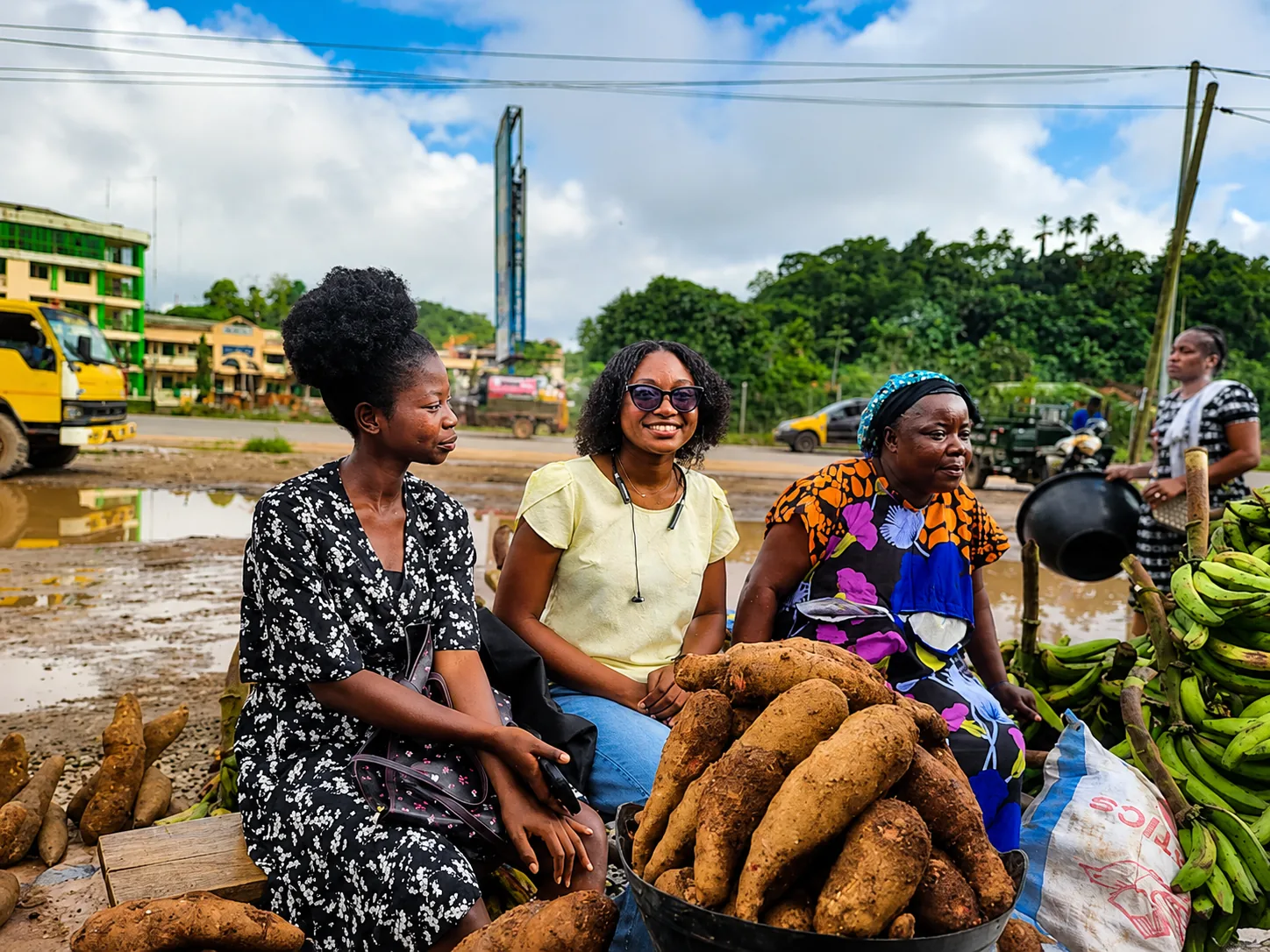
The farmer arrives already exposed
The Friday visit showed us the same supply chain from the other end. A farmer can harvest, pay for every stage of the transport journey, and arrive at the market without a confirmed buyer waiting. At that point the money is already spent. If the produce is perishable, the clock is ticking and there is very little room to negotiate.
Farmers told us that some traders do not have cash on hand when produce arrives. The farmer then faces a hard choice: take the produce home, which rarely makes financial sense, or hand it over and hope to be paid later. That weak position can lead to low prices or informal credit arrangements the farmer never truly chose.
This shifted our understanding. The problem is not simply that farmers and buyers cannot find one another. The deeper problem is that produce can begin a costly journey without a dependable process, leaving the farmer to carry most of the risk.
A trust point closer to the farm
Those lessons now shape how Kuapa Dwaso works. Farmers deposit produce at participating community warehouses instead of carrying it blindly to a city market. At intake, a warehouse agent weighs, grades, photographs, and records each batch, then provides a storage receipt that makes ownership, quantity, status, and applicable fees clear.
Traders and bulk buyers order from verified warehouse stock before a published cutoff for a dated market run. Confirmed orders are aggregated and prepared for scheduled delivery to selected destinations. This does not remove every agricultural risk, but it replaces an improvised city-market journey with a visible process and a local point of accountability.
Both sides need someone they can count on
It would be easy to frame this as farmers versus traders, but that is not what we saw. Both sides are dealing with the same underlying issue: unreliability.
Buyers need confidence that the quantity exists, the quality matches what was recorded, and delivery will happen on the published day. Farmers need clear records, visible sale status, transparent fees, and confidence that confirmed orders will follow an accountable path through preparation, dispatch, and payment.
Produce should move through a process people can see and trust—not on hope alone.
The assumption we got wrong
The Friday conversations also corrected us on something we thought we knew. We assumed most farmers would not have smartphones, so we initially considered USSD or SMS commands as the main way to use Kuapa Dwaso. In Tarkwa, many farmers told us that they either owned a smartphone or lived with someone who could help them use one.
That does not mean every farmer in every community has reliable smartphone access. It does mean a lightweight smartphone-first experience is a practical starting point. Farmers can register directly or with assistance, while concise SMS updates communicate receipts, fees, sale status, dispatches, and payments without requiring them to remain online.
We will keep testing this assumption as the warehouse network reaches new communities. If the evidence shows a real need for USSD or another offline channel, we will build it from observed use rather than from assumptions made in a planning meeting.
Problems that start before the harvest
Farmers also spoke about the rising cost of inputs such as fertiliser. It was a useful reminder that their challenges begin long before produce reaches any warehouse or market.
Kuapa Dwaso cannot solve everything at once. Input financing and credit remain outside the initial scope. For now, the focus is deliberately narrower: trustworthy intake, clear inventory records, verified stock for buyers, and coordinated market delivery.
What Tarkwa changed for us
- Farmers need a nearby, accountable alternative to carrying produce blindly to a city market.
- Every stored batch needs a clear owner, weight, grade, status, and fee record.
- Buyer orders should close against published cutoffs and dated delivery runs.
- Confirmed orders should travel together in quantities that make commercial sense.
- Payment terms and quality expectations must be visible before a sale is completed.
- Buyers need verified, dependable stock rather than hopeful listings.
- A smartphone-first service can work alongside assisted access and one-way SMS updates.
- The product must keep learning from real warehouse activity and market transactions.
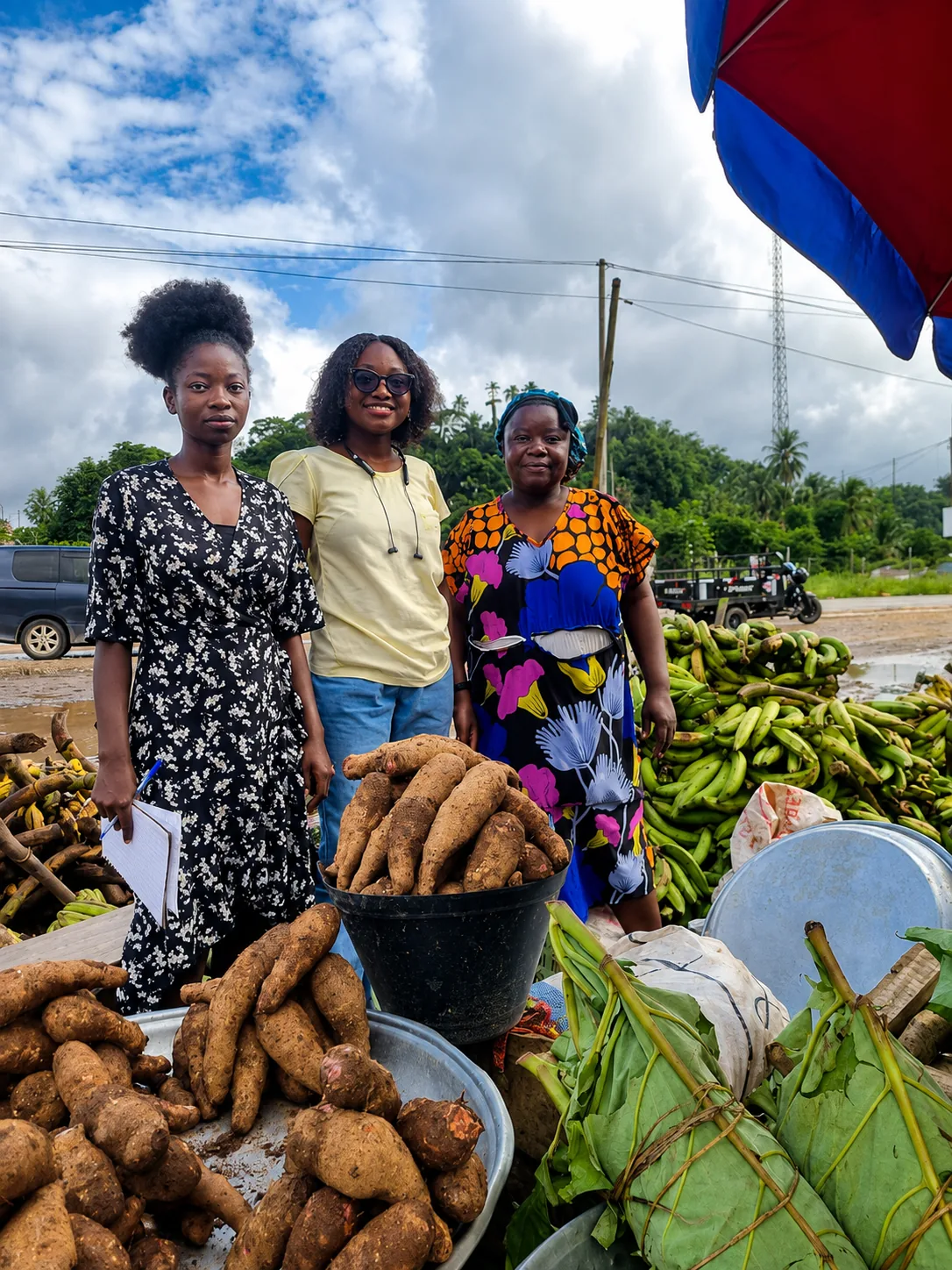
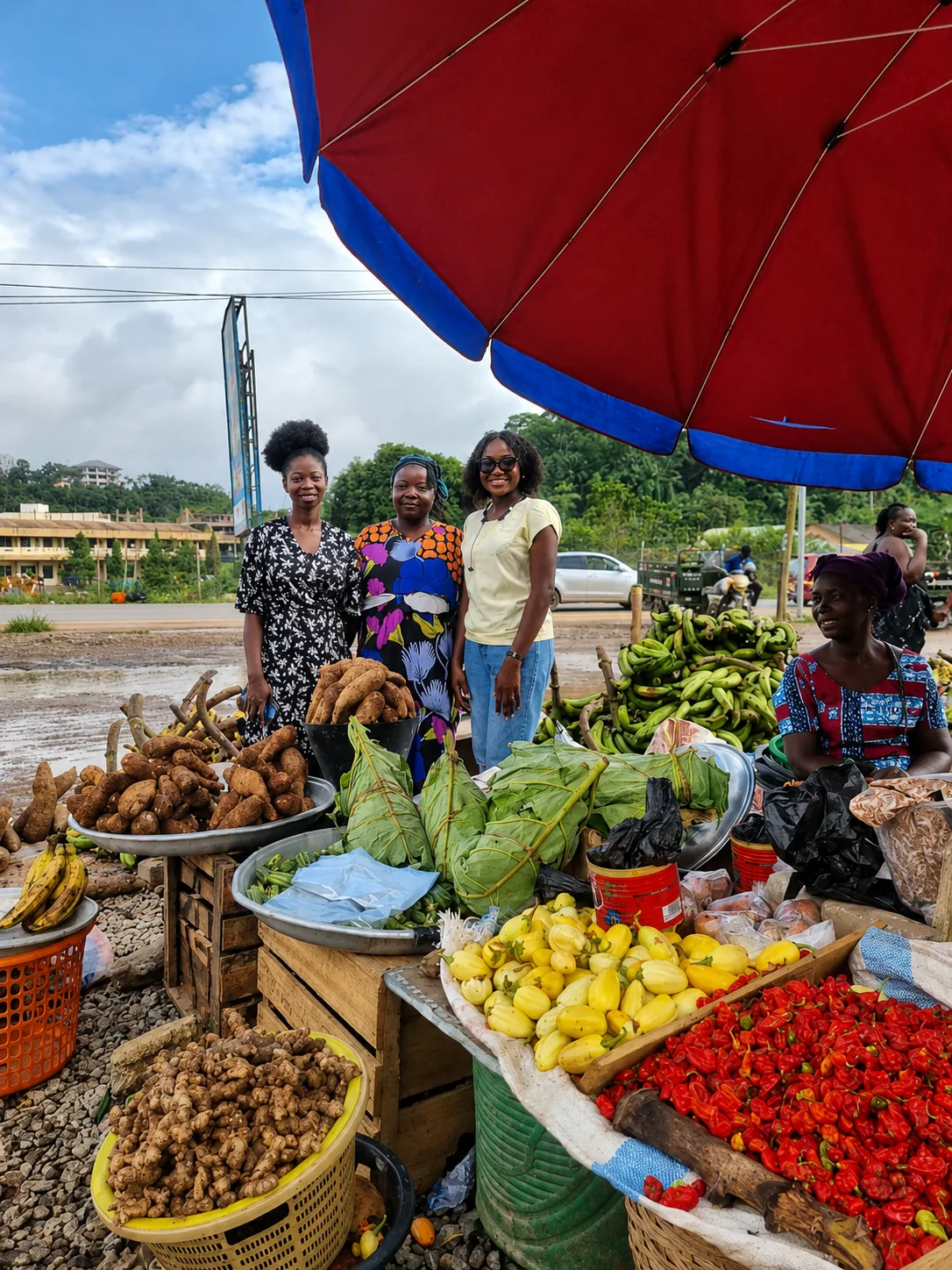
Scenes from the visit
Still listening
These visits did not answer every question. What they did was hand us better ones: Which crops have dependable demand? What quantity makes a delivery run worthwhile? Which quality standards decide whether produce is accepted? How can warehouse records and payment updates earn trust over time?
Those questions continue to guide the pilot. Kuapa Dwaso is being built from the experiences of farmers, traders, buyers, warehouse operators, transporters, and agricultural partners—not from what we imagine the market needs.
By listening first and improving through real transactions, we hope to build a Farmer's Market worthy of the name: one that gives farmers clearer records and stronger choices, while giving buyers a dependable route to verified produce.